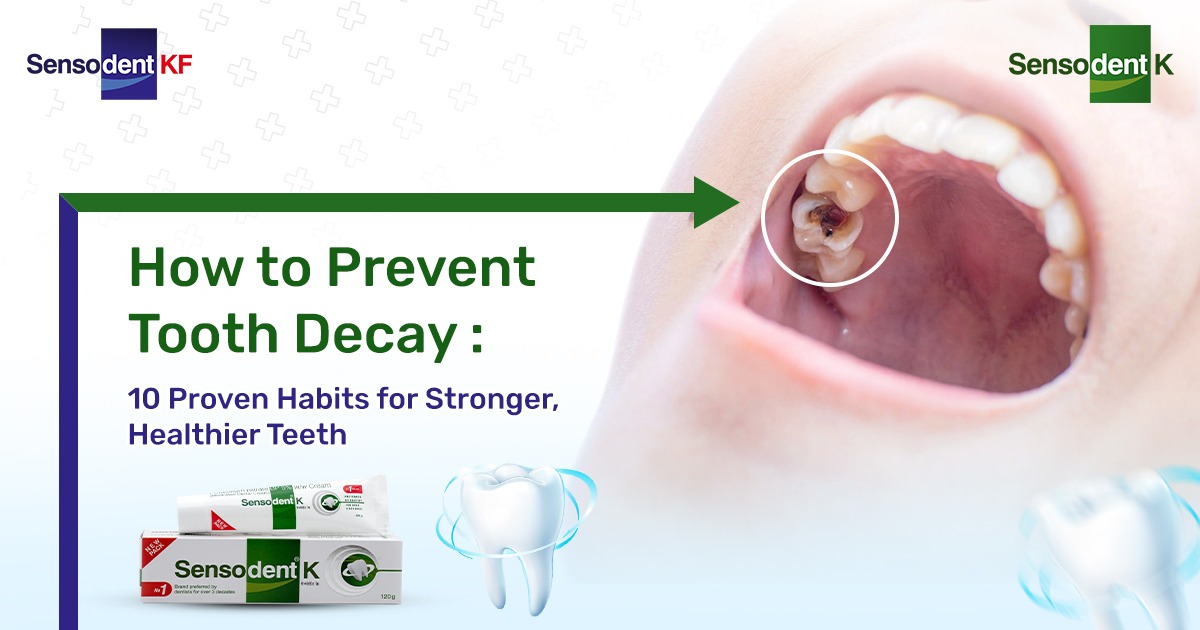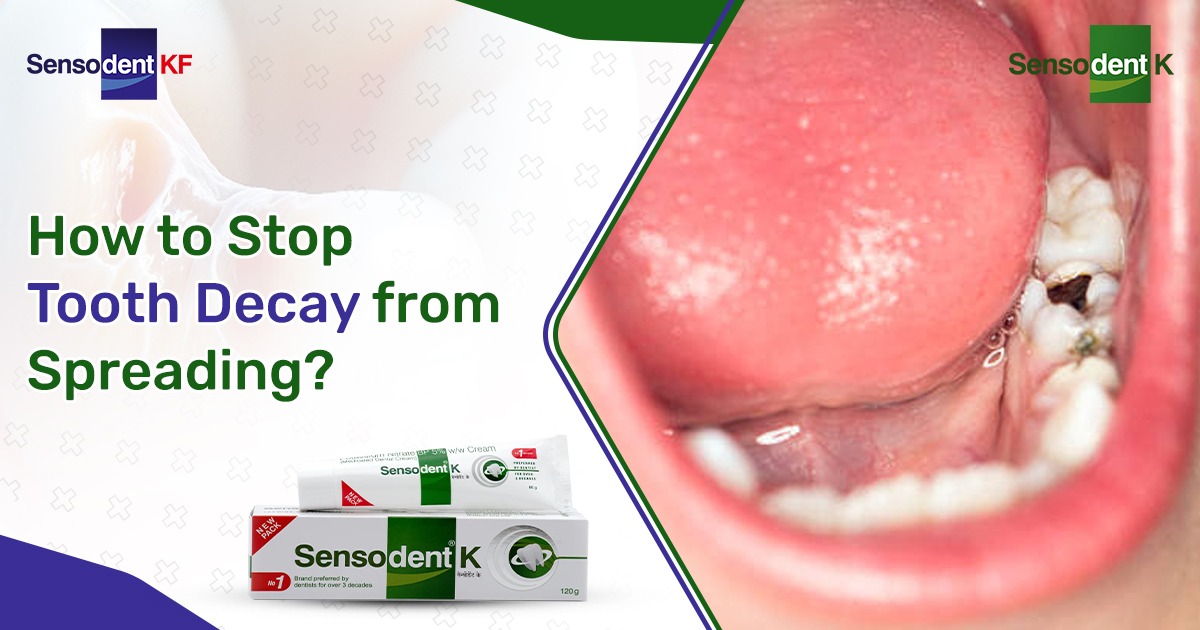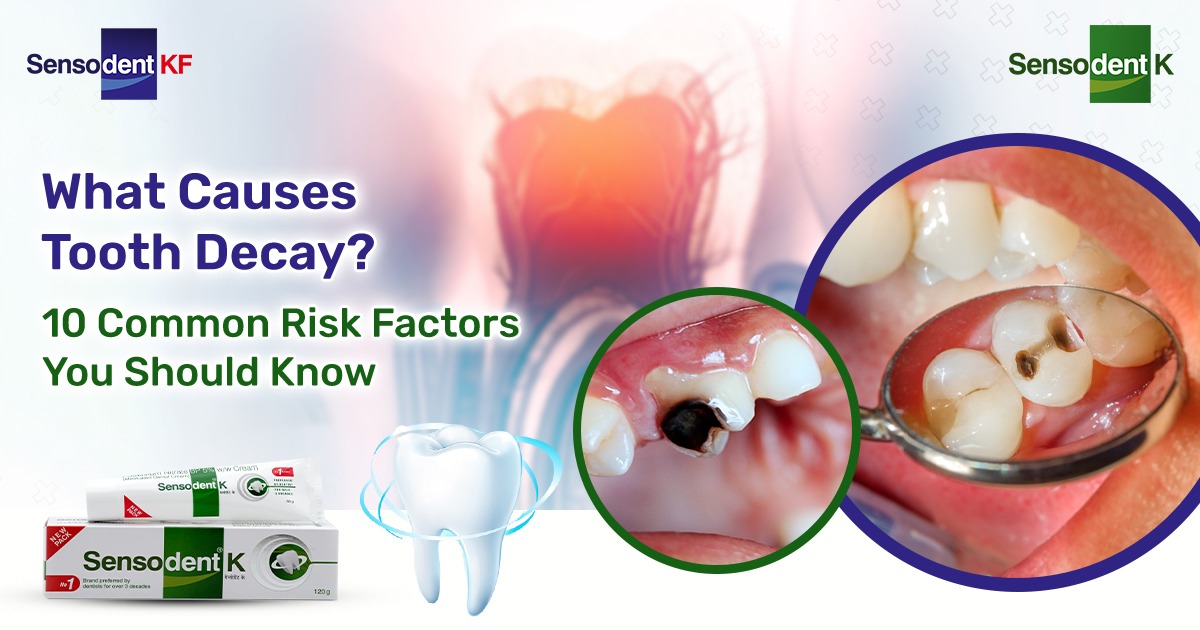



Tooth decay rarely starts with a dramatic toothache. It begins quietly, with small changes in how your teeth feel, look, or respond to food and drinks. Many people ignore these early signs, assuming they are “normal” or will go away on their own. But by the time the pain becomes strong enough to disturb your sleep or daily routine, the decay has usually progressed much deeper into the tooth.
The good news? Your body and your teeth almost always give you subtle warnings before things get serious. If you pay attention to these early symptoms and act on them, you can often prevent bigger problems like deep cavities, root canal treatments, or even tooth loss.
In this blog, we'll walk through 8 early signs of tooth decay you shouldn't ignore, especially if you live a lifestyle that includes frequent tea or coffee, sweets, snacks, or irregular brushing habits—very common in many Indian households.
Before we get into the symptoms, let's quickly understand what's happening inside your tooth when decay develops.
What Exactly Is Tooth Decay?
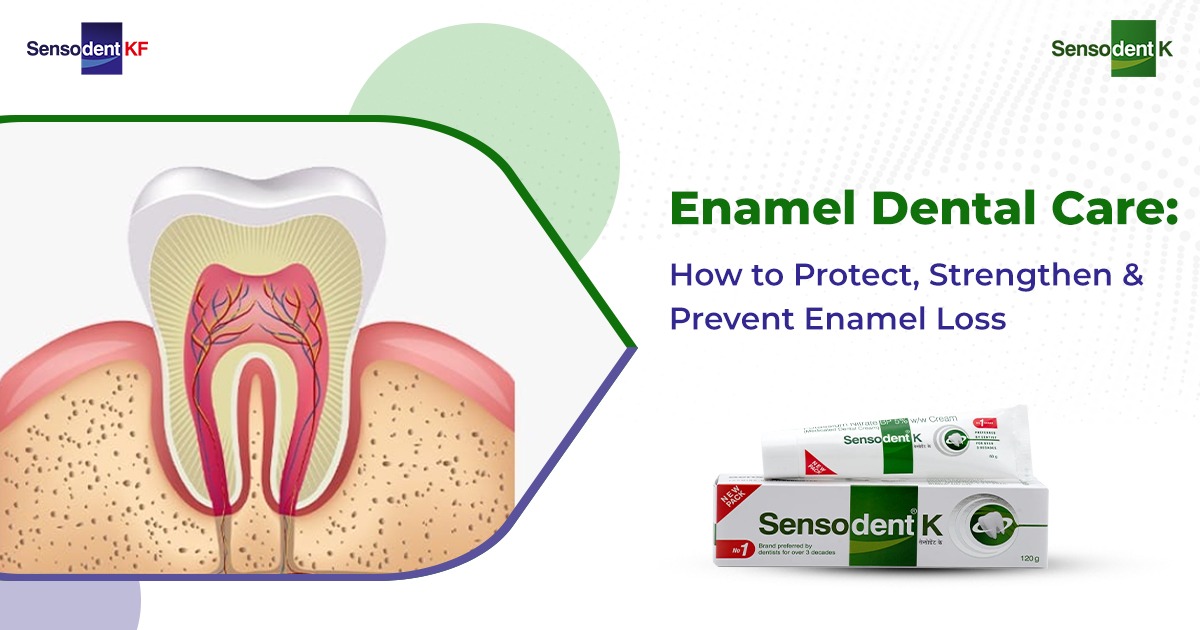
Tooth decay is the gradual breakdown of your tooth structure caused by acids produced by bacteria in your mouth. Your teeth are covered by enamel, the hard outer layer designed to protect the softer inner layers (dentin and the nerve-rich pulp).
Here's what typically happens:
- Food and drinks—especially those containing sugar or starch—stick to your teeth.
- Bacteria in your mouth feed on these leftover particles and form a sticky coating called plaque.
- The bacteria in plaque produce acids.
- These acids slowly dissolve the minerals in your enamel.
- Over time, the enamel weakens, leading to tiny holes or cavities.
In the beginning, you may not feel anything at all. But as the decay moves from the enamel into deeper layers of the tooth, symptoms start to show up. Those early signals are what you need to recognise and act on.
8 Early Signs of Tooth Decay You Shouldn't Ignore
1. Tooth Sensitivity to Hot, Cold, or Sweet
One of the earliest and most common signs of tooth decay is sensitivity.
You might notice:
- A sharp or sudden twinge of discomfort when you drink hot chai or coffee
- A stinging sensation when you eat ice cream or chilled soft drinks
- Discomfort when you have something very sweet, like mithai, chocolates, or desserts
At first, this sensitivity may be mild and last only a second or two. Many people brush it off, thinking, “Maybe I brushed too hard,” or “It's just because of the cold food.” But this sensitivity can be a sign that your enamel is thinning or that decay has started to expose the more sensitive dentin layer beneath.
What it means:
When enamel starts to lose minerals or wears down, it no longer insulates the tooth as well. Temperature and sweet triggers reach the underlying dentin and cause sensitivity.
What you should do:
- Don't ignore repeated episodes of sensitivity, especially in the same tooth or area.
- Switch to a soft-bristled toothbrush and gentle brushing technique.
- Use a dentist-recommended, sensitivity-focused, fluoride toothpaste regularly.
- Consult a dentist if the sensitivity persists or worsens.
2. Mild Toothache or Occasional Discomfort
Not every cavity starts with unbearable pain. In fact, early tooth decay often causes mild, on-and-off discomfort rather than continuous pain.
You might notice:
- A dull ache in or around a tooth from time to time
- Discomfort when chewing certain foods
- A feeling that “something is not right” with a specific tooth
Sometimes, the pain may come and go, especially when you eat something very hot, cold, sweet, or hard. This pattern can mislead you into thinking it's temporary or due to food getting stuck.
What it means:
Decay may have progressed from the outer enamel layer to the inner dentin, where nerve endings are closer. When you chew or apply pressure, this area reacts, causing temporary discomfort.
What you should do:
- Pay attention if the same tooth bothers you again and again.
- Avoid chewing hard foods on that side until you see a dentist.
- Get dental advice early—simple fillings are much easier than advanced treatments later.
3. White, Brown, or Dark Spots on Your Teeth
Visual changes on your tooth surface are another early sign of decay that often goes unnoticed.
You may see:
- White chalky spots – often the earliest visible sign of enamel demineralisation
- Light brown patches – usually indicating decay progressing
- Dark brown or black spots – often a more advanced stage of decay
These spots can appear on any surface—front, back, between teeth, or on chewing surfaces. In Indian diets rich in tea, coffee, and spices, stains are common, but it's important to distinguish between simple staining and actual decay.
What it means:
White spots can indicate that minerals are being lost from the enamel. If the process continues, the surface may break down further, leading to brown or black discoloration as decay progresses.
What you should do:
- Look at your teeth in good light from time to time, not just for aesthetics but for health.
- If a spot appears new, changes color, or grows larger, get it checked.
- Your dentist can tell whether it's a stain or an early cavity and suggest appropriate treatment.
4. Food Frequently Getting Stuck Between Teeth
Do you feel that food always gets stuck in the same place—between two particular teeth or near the gumline?
This is more than just an irritation. It can be a strong sign of decay or a gap forming due to a cavity or weakened tooth structure.
You might notice:
- Food particles stuck between teeth after almost every meal
- The need to use a toothpick, floss, or tongue to dislodge food
- A feeling of pressure or discomfort after eating
What it means:
Decay between teeth can create small spaces or rough surfaces where food easily lodges. Over time, this trapped food encourages more bacterial activity and worsens the decay.
What you should do:
- Avoid using sharp objects like safety pins or needles to remove stuck food—it can damage gums and enamel.
- Start using dental floss or interdental brushes.
- Ask your dentist to examine the area; there may already be a cavity that needs treatment.
5. Persistent Bad Breath or a Constant Bad Taste
Occasional bad breath after eating onion, garlic, or strong spices is normal. But if you have persistent bad breath or a constant bad taste in your mouth even after brushing, it may be linked to tooth decay or gum problems.
You may notice:
- People stepping slightly back when you speak in close range
- A stale or unpleasant taste that doesn't go away easily
- Your breath feeling “off” soon after brushing or using mouthwash
What it means:
When decay progresses, food particles and bacteria can get trapped in cavities and around the gumline. These bacteria release foul-smelling gases and create a bad odour or taste.
What you should do:
- Clean your tongue gently as part of your daily routine.
- Ensure you are brushing twice a day and flossing.
- If the problem persists, consult a dentist to check for cavities or gum disease.
6. Roughness, Chipping, or Visible Holes on the Tooth
As decay advances, it can physically change the shape and surface of your tooth.
You might feel or notice:
- A rough edge when you run your tongue over a tooth
- A small chip or “broken” corner without any major injury
- A visible pit or hole on the surface of the tooth
Sometimes people notice a small hole only when it traps food or when they visually inspect their teeth closely.
What it means:
The enamel has weakened and broken down, leading to loss of structure. At this stage, decay is no longer just demineralisation; a cavity has formed.
What you should do:
- Do not delay seeing a dentist—this is a clear sign of structural damage.
- Avoid biting on hard foods like chikki, hard toffees, or nuts with that tooth.
- Early treatment prevents the cavity from reaching the pulp and causing severe pain.
7. Sensitivity or Discomfort Near the Gumline
Tooth decay does not only affect the chewing surfaces. It can also develop near the gums, especially if there is gum recession.
You may observe:
- Sensitivity when you brush near the gumline
- Discomfort when drinking something cold
- A visible notch or groove near where the tooth meets the gum
This is particularly common in adults and older individuals, or those who brush aggressively or have gum-related issues.
What it means:
When gums recede, the root surface of the tooth becomes exposed. This root area is not covered by enamel and is much more vulnerable to decay and sensitivity.
What you should do:
- Use a soft-bristled toothbrush and gentle, circular brushing strokes.
- Avoid scrubbing back and forth hard along the gumline.
- Use a toothpaste suitable for sensitive teeth and ask your dentist whether you have early root caries or gum disease.
8. Pain or Discomfort When Biting Down
If you feel sharp pain or pressure when biting on a particular tooth—whether you're eating regular food, biting into roti, or chewing snacks—this is a serious sign that should not be ignored.
You might experience:
- Pain only when chewing on one side
- Discomfort when biting on hard or crunchy foods
- A feeling that the tooth is “higher” or more sensitive to pressure
What it means:
Decay may have reached the deeper layers of the tooth, or there may be a crack associated with weakened structure. When you apply pressure, the damaged area or sensitive inner tissue reacts.
What you should do:
- Stop chewing on that side until you see a dentist.
- Seek dental help as soon as possible; this can be a sign of advanced decay or structural compromise.
- Early diagnosis may still allow simpler treatment options.
Are These Symptoms Always Due to Tooth Decay?
Not always. Some symptoms such as sensitivity, bad breath, or gumline discomfort can also be related to:
- Gum disease
- Worn enamel from aggressive brushing or grinding
- Simple external stains
- Mouth breathing or dry mouth
- Ill-fitting dental restorations
However, only a dentist can reliably distinguish between these causes. That's why self-diagnosing and delaying professional help can be risky.
If you are experiencing one or more of the above signs repeatedly—especially in the same tooth or area—consider it a signal to schedule a dental visit.
Where Do Cavities Commonly Form?
Understanding where decay usually starts can help you watch those areas more carefully:
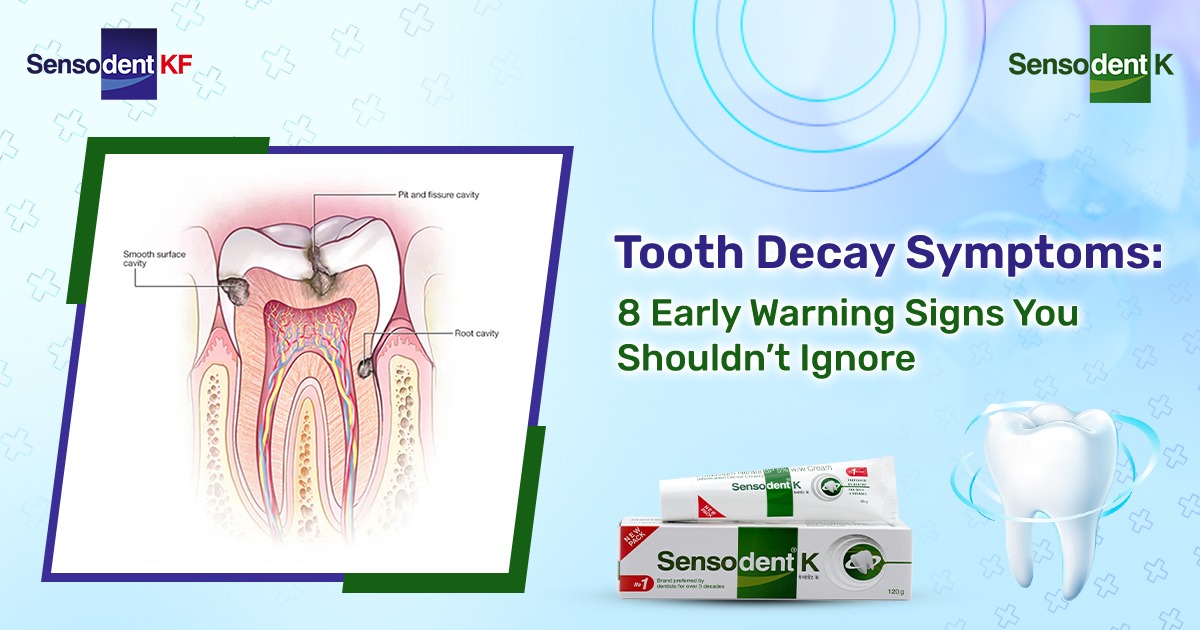
- Chewing surfaces of back teeth – These have pits and grooves where food easily gets trapped.
- Between teeth – Plaque here is hard to clean without floss or interdental brushes.
- Near the gumline – Poor brushing technique or plaque buildup can lead to decay here.
- Around old fillings or crowns – Gaps or rough edges can trap bacteria and food.
During your daily brushing routine, take a few seconds to visually inspect these regions in the mirror.
What Happens If You Ignore Early Symptoms?
Ignoring early signs of tooth decay can allow the problem to progress silently. Over time:
- The cavity becomes deeper and larger.
- Decay moves from enamel to dentin and then towards the pulp (the nerve).
- You may develop intense toothache, especially at night or when eating.
- Infection can spread at the root and lead to swelling or pus formation.
- The tooth may eventually need root canal treatment or extraction.
What could have been solved with a small filling can turn into a complex, time-consuming, and more expensive procedure. This is why listening to early symptoms is crucial.
When Should You See a Dentist?
You should book a dental appointment if:
- You notice sensitivity in the same tooth again and again
- You see any new white, brown, or black spots on your teeth
- Food keeps getting stuck between certain teeth
- You have persistent bad breath or bad taste despite good oral hygiene
- You feel pain or pressure when chewing
- You spot visible holes, chips, or notches on your teeth
Regular dental check-ups help catch cavities before they cause noticeable symptoms, but once you do feel or see changes, do not delay.
What to Expect at the Dental Visit
When you visit the dentist for suspected tooth decay, they may:
- Ask about your symptoms, habits, and medical history
- Examine your teeth visually with lights and dental instruments
- Check for soft areas, roughness, or visible pits
- Recommend X-rays if needed to see decay between teeth or under fillings
- Suggest treatments such as fillings, fluoride applications, or other procedures depending on the severity
The earlier you go, the simpler and more comfortable the treatment usually is.
How to Respond to Early Symptoms at Home (Before You See a Dentist)
While professional treatment is essential to manage actual cavities, you can take some supportive steps at home:
- Brush twice daily using a soft-bristled brush and proper technique.
- Use a fluoride-based toothpaste that helps strengthen enamel.
- Limit sugary and sticky snacks between meals.
- Reduce sipping on sweetened tea, coffee, or soft drinks throughout the day.
- Rinse your mouth with water after eating, especially if you can't brush immediately.
- Floss or use interdental brushes to clean between your teeth.
These habits won't “cure” a formed cavity, but they can slow down progression and support overall oral health.
Conclusion: Listen to Your Teeth Before They Scream
Tooth decay is a gradual process, but your teeth rarely stay completely silent. Sensitivity, mild discomfort, spots, roughness, food getting stuck, and bad breath are all early signals that something may be wrong.
The key is not to ignore these signs or treat them as “normal”. Your future dental health—and your comfort—depend on how quickly you act now.
If you are experiencing early sensitivity, discomfort, or feel your teeth reacting to hot, cold, or sweet foods, choosing the right toothpaste and routine can make a real difference. Sensodent offers dentist-recommended toothpastes specially designed to help manage sensitivity, support enamel protection, and make daily oral care more comfortable.
Combined with regular dental check-ups and good brushing and flossing habits, Sensodent can be a valuable part of your everyday defence against tooth decay and sensitivity.
Your teeth are talking to you. The question is—are you listening?