




Tooth decay is one of the most widespread dental concerns, and it often develops silently long before a person feels pain or sensitivity. In simple terms, tooth decay begins when harmful bacteria in your mouth produce acids that attack your enamel—the strong outer layer of your teeth. Over time, these acids weaken the tooth structure, allowing cavities to form.
While this process may sound straightforward, many everyday habits, dietary choices, and health conditions can accelerate it. Understanding these causes empowers you to take control of your oral health and protect your teeth before damage sets in.
Below, we break down the 10 most common risk factors for tooth decay, along with easy-to-understand explanations based on trusted dental knowledge.
1. Poor Oral Hygiene
Not brushing and flossing regularly is one of the most direct paths to tooth decay. When food particles remain on your teeth, bacteria feed on them and form plaque—a sticky film that coats the tooth surface. If plaque is not removed daily, it hardens into tartar, which becomes even more difficult to clean and creates the perfect environment for decay.
Regular brushing helps remove plaque, while flossing clears the spaces between teeth that your brush cannot reach.
2. High Consumption of Sugary and Sticky Foods
Sweet foods and beverages are among the biggest culprits in tooth decay. When sugar combines with oral bacteria, it produces acids that attack enamel. Sticky foods—such as candies, caramel, and sweetened snacks—cling to the tooth surface far longer than other foods, giving bacteria more time to create harmful acids.
Sugary drinks like sodas, energy drinks, packaged juices, and sweetened teas also bathe your teeth in sugar, especially when sipped slowly over time.
3. Frequent Snacking or Sipping
Eating small meals is fine, but frequent snacking—especially on sweets, chips, or bakery items—keeps your mouth in an acidic state throughout the day. Each time you eat, the bacteria in your mouth release acids as they break down food remnants.
If these acid attacks occur repeatedly without breaks, your enamel does not get time to recover. Similarly, sipping sugary drinks frequently has the same effect. Even seemingly harmless habits like sipping tea with sugar throughout the day can contribute to decay.
4. Dry Mouth (Reduced Saliva Flow)
Saliva is a natural defender against tooth decay. It helps wash away food particles, neutralise acids, and strengthen tooth enamel. When your mouth is dry, these protective benefits are reduced significantly.
Dry mouth can be caused by:
- Certain medications
- Mouth breathing
- Dehydration
- Some medical conditions
- Age-related changes
When saliva flow decreases, the risk of developing cavities rises because acids stay on your teeth for longer periods.
5. Deep Grooves and Pits in Teeth
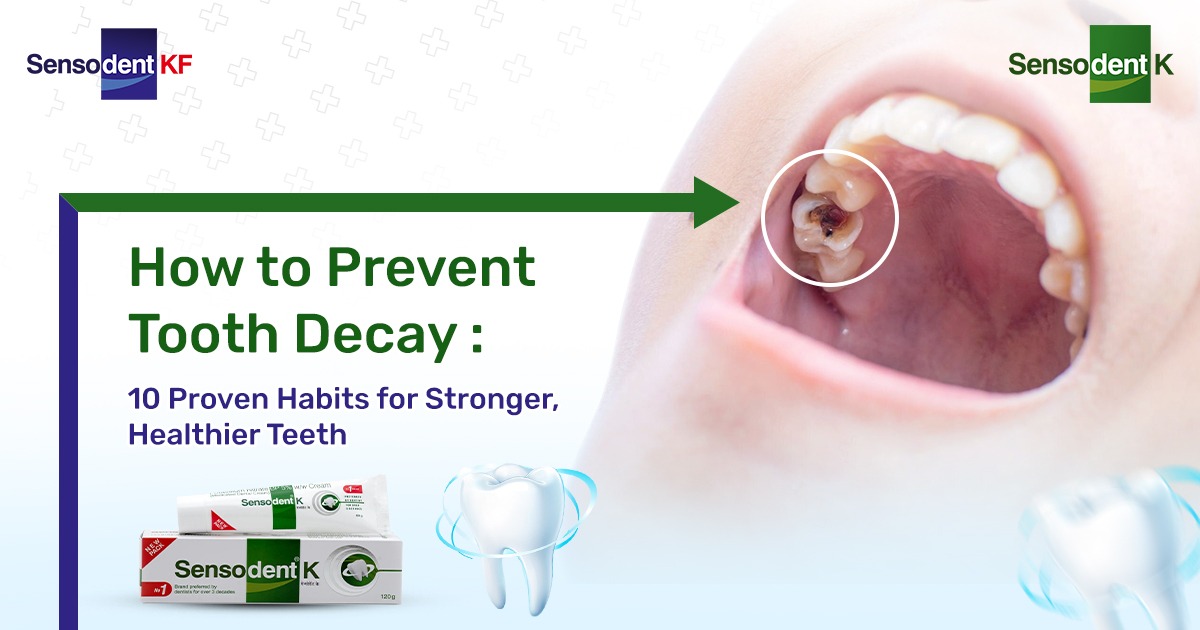
Some people naturally have deep fissures on the chewing surfaces of their molars. These grooves trap food particles and bacteria easily, making cleaning difficult even with regular brushing. Over time, these areas become more prone to cavities.
Children and teenagers often have deeper pits in their molars, which increases their susceptibility, but adults can have the same issue depending on their tooth shape.
6. Receding Gums or Gum Disease
When gums recede, the sensitive root surfaces of your teeth become exposed. Unlike enamel, these root areas are not as strong or protected and can decay faster. Gum recession can happen due to aggressive brushing, ageing, or gum infections.
Bacteria can also accumulate at the gum line, triggering inflammation and contributing to tooth decay in hidden areas.
7. Acidic Foods and Drinks
Acidic substances weaken enamel even before bacteria start working on it. Items like citrus fruits, vinegar-based foods, sour candies, carbonated drinks, and certain flavoured waters can gradually erode tooth enamel.
Once enamel becomes thin or weakened, it is much easier for cavities to form, especially if your diet also includes sweets or sticky foods.
8. Worn-Out Dental Restorations
Old fillings, crowns, and dental restorations eventually develop tiny gaps or rough edges. These areas trap plaque and create hidden spaces where bacteria can thrive. Even if you brush well, these gaps can be difficult to clean, allowing decay to develop underneath or around the restorations.
Regular dental check-ups help detect these issues early before significant damage occurs.
9. Certain Medical Conditions and Lifestyle Factors
Some conditions indirectly increase your risk of tooth decay. These include:
- Conditions that cause vomiting or acid reflux, which repeatedly expose teeth to strong stomach acids
- Eating disorders
- Nutritional deficiencies
- High-carbohydrate or high-sugar diets, especially in children and adults who consume packaged or processed foods frequently
Lifestyle habits such as smoking or tobacco use can also contribute to poor oral health, making teeth more vulnerable to decay.
10. Age-Related Changes
Age affects your oral health in multiple ways. Older adults may have reduced saliva flow, worn enamel from years of chewing, and gum recession, all of which increase the likelihood of cavities.
Children, on the other hand, may not brush effectively and often consume more sugary foods, making them vulnerable to decay as well. Tooth decay does not discriminate—it can affect anyone at any stage of life if preventive steps are not taken.
Symptoms of Early and Advanced Tooth Decay
Recognising symptoms early helps you prevent further damage. Tooth decay can progress slowly, and symptoms vary depending on the stage.
Common signs include:
- Tooth sensitivity to hot, cold, sweets, or pressure
- Pain when chewing
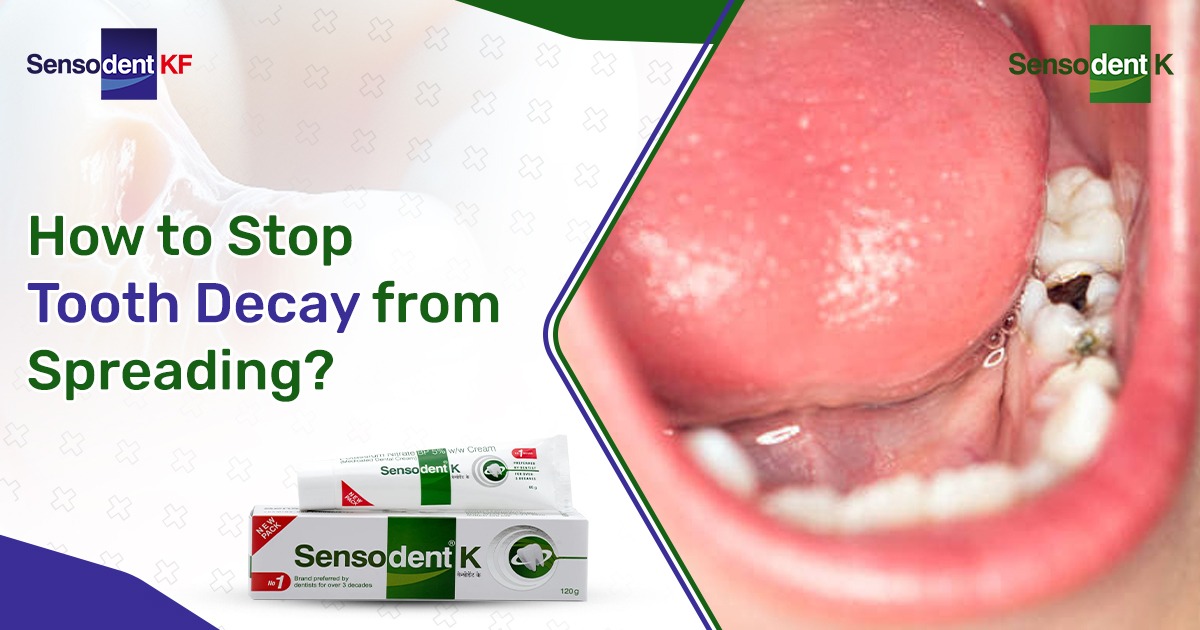
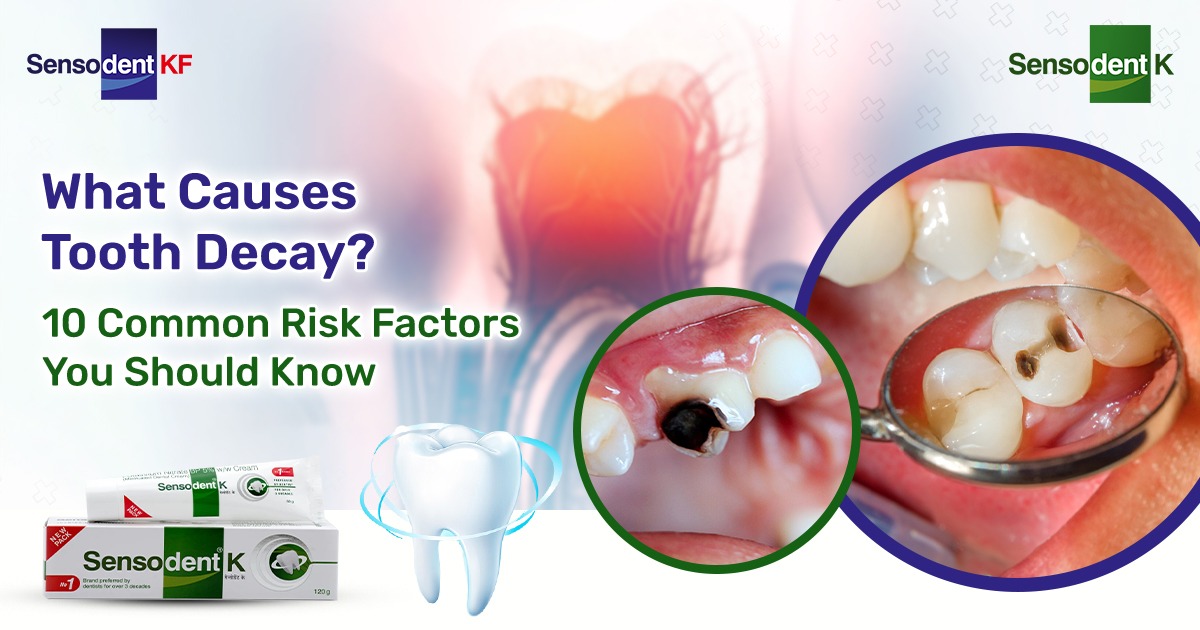
- Dark spots, pits, or holes in teeth
- Persistent bad breath
- White, brown, or black staining on enamel
- Sudden toothache with no clear cause
In early stages, decay may not cause pain at all, which is why regular dental check-ups are essential.
Types of Cavities
Cavities can appear on different parts of the tooth and may require different treatments:
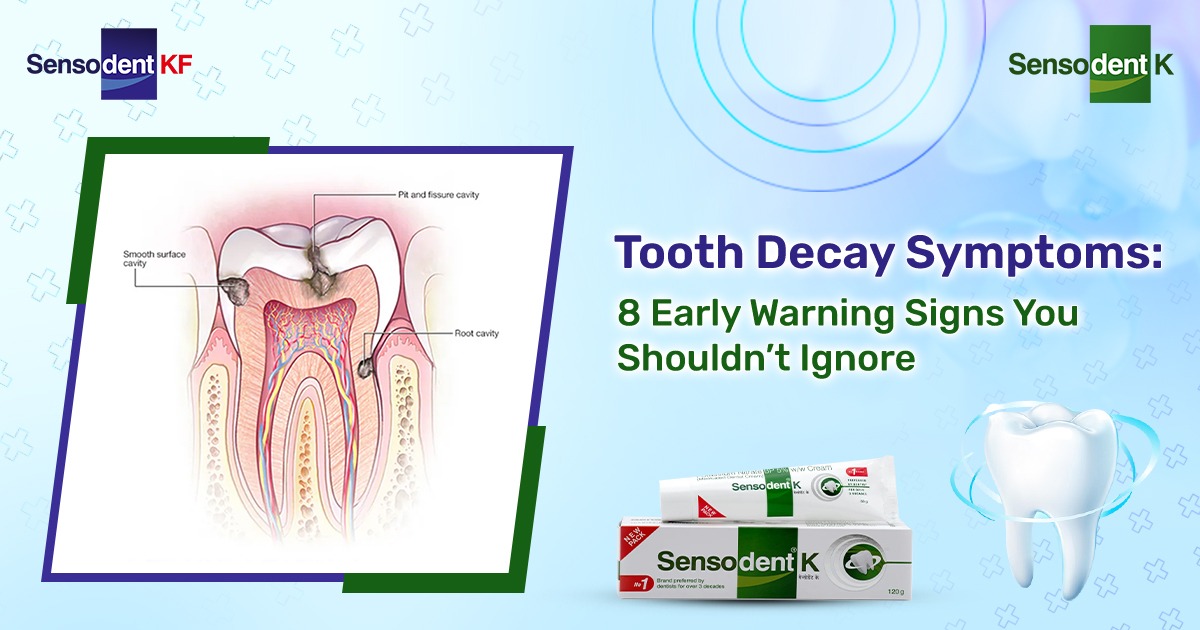
1. Pit and Fissure Cavities
Found on the chewing surfaces of molars where food debris easily collects. Common in children and young adults.
2. Smooth Surface Cavities
Develop on the flat outside surfaces of teeth. These progress more slowly and are often caused by plaque buildup.
3. Root Cavities
Occur when gums recede and expose the softer root surface. These can spread quickly and are common among older adults or people with gum issues.
Who Is More Likely to Get Tooth Decay?
While tooth decay affects people of all ages, some groups face a higher risk:
- Children and teenagers who consume sweets frequently or have trouble brushing properly
- Adults with dry mouth or ongoing medical treatments
- Older adults with gum recession or worn dental restorations
- People who eat sugary or acidic foods often
- Anyone with poor oral hygiene habits
- Individuals who snack frequently or sip sugary drinks throughout the day
- People who breathe through their mouth or have reduced saliva flow
Being aware of your risk helps you take preventive measures before cavities form.
Prevention: How to Protect Your Teeth
You can prevent most cavities by adopting a consistent oral care routine:
- Brush twice a day using a fluoride-based toothpaste
- Floss daily to remove plaque between teeth
- Drink plenty of water
- Limit sugary snacks and drinks
- Avoid sipping sweet beverages over long periods
- Rinse your mouth after eating acidic foods
- Visit your dentist regularly for professional cleaning and early detection
Prevention is always easier, cheaper, and less painful than treatment.
FAQs
1. Is tooth decay reversible?
Early-stage tooth decay can sometimes be slowed or stopped if you improve your oral hygiene, reduce sugar intake, and use fluoride-based toothpaste. However, once a cavity forms, it cannot repair itself and requires professional treatment.
2. Are Indian diets more likely to cause tooth decay?
Indian diets often include sweets, tea with sugar, sticky snacks, refined carbohydrates, and frequent snacking — all of which can contribute to decay if oral hygiene is not maintained. This doesn’t mean the diet is unhealthy; it simply means good brushing and flossing habits are essential.
3. Why do children in India get cavities so often?
Many children consume sweets, chocolates, biscuits, and sugary beverages regularly. Inconsistent brushing routines and difficulty cleaning back teeth also contribute. Their developing enamel is softer, making teeth more vulnerable if hygiene is poor.
4. Can tooth decay happen even if I brush every day?
Yes, it can. Brushing alone may not clean the spaces between teeth or remove plaque along the gumline. Poor brushing technique, skipping flossing, frequent snacking, dry mouth, and acidic foods can still lead to decay despite daily brushing.
5. Does using mouthwash prevent cavities?
Mouthwash can help reduce bacteria and freshen breath, but it cannot replace brushing and flossing. It works best as an additional step in your routine rather than the main form of cleaning.
6. Are herbal or natural toothpastes enough to prevent decay?
Many herbal toothpastes do not contain fluoride, which is essential for strengthening enamel and protecting against cavities. While herbal ingredients may offer some benefits, using a fluoride-based toothpaste remains one of the most effective ways to prevent decay.
7. How often should I visit the dentist to prevent tooth decay?
Most people benefit from a dental check-up every six months. However, if you have a history of cavities, gum issues, dry mouth, or wear dental restorations, your dentist may recommend more frequent visits. Regular check-ups help catch early decay before it becomes painful or complicated.
Conclusion: Protect Your Smile with Smarter Habits
Tooth decay does not happen overnight. It builds slowly through a combination of daily habits, diet choices, oral hygiene, and sometimes medical conditions. By understanding these 10 common risk factors, you can take proactive steps to protect your teeth and maintain strong oral health throughout your life.
If you are looking to strengthen your enamel and reduce sensitivity while keeping your teeth healthier every day, Sensodent offers a range of dentist-recommended toothpastes designed to protect vulnerable areas, reduce discomfort, and support long-term oral hygiene.
A healthier smile begins with the right daily routine—and the right oral care products.