




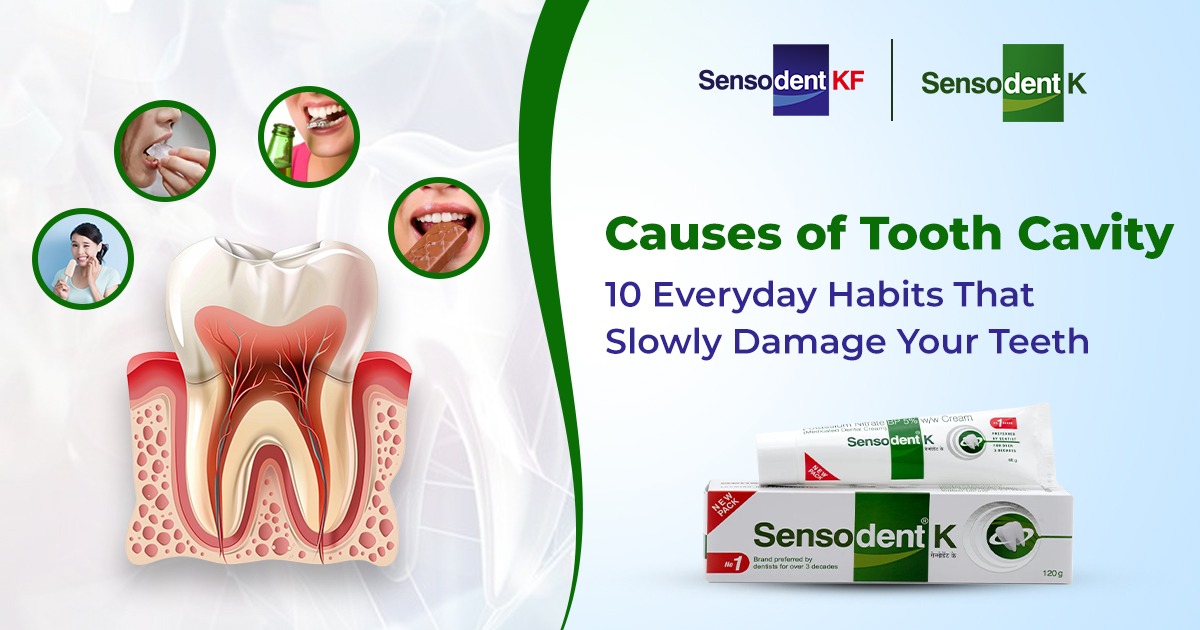
Tooth cavities don’t happen overnight. They develop quietly, often because of small daily habits we hardly notice or take seriously. From what we eat to how we clean our teeth—or don’t—these everyday choices slowly weaken our enamel and create the perfect environment for decay to set in.
How Do Cavities Form?
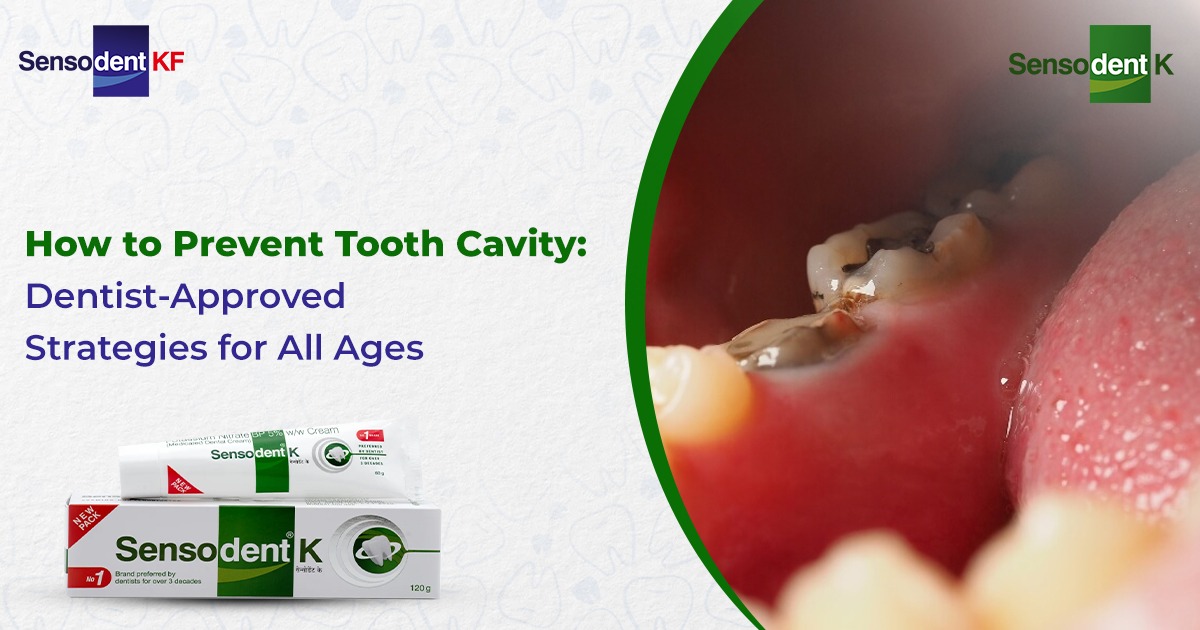
A cavity is essentially the result of a long-term imbalance between your teeth and the environment inside your mouth. Every time you eat or drink something—especially sugary or starchy foods—bacteria in your mouth break them down and release acids.
These acids attack the outer protective layer of your teeth, called enamel. While saliva helps neutralise acids and repair minor damage, constant acid attacks can overpower this natural defence, especially when oral hygiene is poor or inconsistent.
Over time, repeated enamel erosion creates tiny holes or weak spots. If left untreated, these holes deepen, allowing bacteria to reach the inner layers of the tooth—this is when sensitivity, pain, and visible cavities begin to appear.
Related Blog: What Is a Tooth Cavity? Meaning, Early Signs & When to See a Dentist
Why Everyday Habits Matter for Dental Health
Most dental problems don’t start with a big mistake—they begin with small, repeated actions that slowly add up. What you do every day, often without thinking, plays a major role in deciding whether your teeth stay strong or become vulnerable to cavities.
Over time, these habits influence how well your mouth can protect itself against bacteria, acids, and plaque—the three biggest contributors to tooth decay.
Small Daily Actions Have Long-Term Effects
Brushing in a hurry, skipping floss, sipping sweetened drinks frequently, or chewing on hard foods may seem harmless in the moment. But when repeated daily, these actions gradually wear down tooth enamel.
Enamel doesn’t regenerate. Once it starts thinning due to constant acid attacks or mechanical stress, your teeth become more sensitive and prone to cavities. What feels like a “small compromise†today can turn into visible decay months or years later.
The Mouth Is Constantly Exposed to Bacteria
Your mouth naturally contains millions of bacteria—some harmless, some helpful, and others responsible for tooth decay. These harmful bacteria thrive on leftover food particles, especially sugars and refined carbohydrates.
Daily habits such as poor brushing technique, irregular cleaning, or frequent snacking give bacteria more fuel to multiply. The more active these bacteria become, the more acid they produce—directly increasing your risk of cavities.
Habits Shape Your Oral Environment
Every choice you make affects the balance inside your mouth. A diet high in sugary snacks and acidic drinks lowers the pH level, making the mouth more acidic. This weakens enamel and encourages plaque buildup.
On the other hand, proper brushing, rinsing after meals, and choosing tooth-friendly foods help maintain a healthier oral environment. These habits reduce acid levels and limit plaque formation before it hardens and causes damage.
Prevention Starts with Daily Routine
Cavities are far easier to prevent than to treat. A consistent daily routine—brushing twice a day, cleaning between teeth, and maintaining regular oral care—acts as the first line of defence against decay.
When oral hygiene becomes a habit rather than an afterthought, it stops cavities from forming in the first place, saving you discomfort, dental visits, and long-term damage.
Good vs Bad Habits: The Cavity Difference
Good habits work silently to protect your teeth—strengthening enamel, controlling bacteria, and keeping plaque in check. Bad habits do the opposite, slowly creating conditions where cavities can thrive.
The difference often isn’t dramatic or immediate, but over time it becomes visible in the form of healthier teeth, fewer cavities, and better overall oral health. In dental care, consistency matters far more than occasional effort.
10 Everyday Habits That Cause Tooth Cavities
Many of the habits that lead to cavities feel completely normal—some are even part of our daily routine. The problem isn’t always what we do, but how often we do it and how little attention we pay to its impact on our teeth.
Understanding these habits is the first step towards breaking the cycle of slow, unnoticed tooth damage and protecting your smile in the long run.
1. Frequent Snacking
Snacking throughout the day keeps your teeth under constant acid attack. Every time you eat, bacteria in the mouth produce acids that weaken enamel.
When snacks are frequent—especially biscuits, namkeen, or sweets—your saliva doesn’t get enough time to neutralise these acids, increasing the risk of cavities.
2. Sugary Drinks
Soft drinks, packaged juices, energy drinks, and even sweetened tea or coffee are major contributors to tooth decay. They bathe your teeth in sugar, which bacteria quickly convert into harmful acids.
Sipping these drinks slowly or repeatedly worsens the damage, as it prolongs acid exposure and speeds up enamel erosion.
3. Poor Brushing Technique
Brushing daily isn’t enough if it’s done incorrectly. Rushing through brushing or missing areas near the gum line allows plaque to build up.
Over time, this plaque hardens and traps bacteria, making cavities more likely even in people who brush twice a day.
4. Skipping Flossing
A toothbrush cannot clean the tight spaces between teeth. When flossing is skipped, food particles remain trapped in these areas.
These hidden leftovers feed bacteria and lead to cavities that often go unnoticed until they become painful.
5. Sleeping Without Brushing
Night-time is when your mouth produces less saliva. If you go to bed without brushing, bacteria get hours to feed on leftover food particles.
This makes overnight cavity formation more likely, especially after dinner or late-night snacking.
6. Dry Mouth
Saliva plays a crucial role in washing away food and neutralising acids. A dry mouth reduces this natural protection.
Dehydration, certain medications, or breathing through the mouth can all increase the risk of cavities due to reduced saliva flow.
7. Frequent Acidic Foods
Foods like citrus fruits, pickles, vinegar-based dishes, and fizzy drinks are acidic in nature. When consumed frequently, they weaken tooth enamel.
Weakened enamel makes teeth more vulnerable to cavities, even if sugar intake is low.
8. Using Teeth As Tools
Using your teeth to open packets, tear tape, or hold objects puts unnecessary stress on them.
This can cause tiny cracks in the enamel, creating entry points for bacteria that eventually lead to decay.
9. Smoking & Tobacco
Smoking and chewing tobacco reduce saliva flow and increase plaque buildup. They also weaken the body’s ability to fight infections.
This combination makes cavities, gum disease, and tooth damage far more likely over time.
10. Ignoring Early Signs
Sensitivity, mild pain, or small dark spots on teeth are often early signs of cavities. Ignoring them allows decay to spread deeper.
Early treatment can prevent major damage, but delaying dental care often leads to more complex and painful problems.
Hidden Habits That Also Harm Teeth
Some habits don’t look harmful at all—but when repeated daily, they quietly weaken enamel and create conditions where cavities can thrive. Because these actions feel normal or even “healthy,†they often go unnoticed for years.
Constant Sipping of Beverages
Slowly sipping tea, coffee, soft drinks, or even flavoured water keeps acid and sugar in constant contact with your teeth. This repeated exposure prevents saliva from restoring the mouth’s natural balance, increasing the risk of enamel erosion and cavities.
Brushing Too Hard
Brushing aggressively doesn’t clean better—it actually wears down enamel and irritates gums. Over time, this exposes sensitive areas of the tooth and makes it easier for bacteria to cause decay.
Not Replacing Your Toothbrush
A worn-out toothbrush loses its ability to clean effectively. Frayed bristles fail to remove plaque properly and may even spread bacteria around instead of eliminating it.
Mouth Breathing
Breathing through the mouth dries out oral tissues and reduces saliva flow. A dry mouth allows bacteria to multiply faster, increasing the chances of cavities and bad breath.
Frequent Late-Night Snacking
Eating late at night—especially sugary or starchy foods—without proper cleaning gives bacteria hours to attack teeth. Since saliva flow drops during sleep, the risk of cavity formation increases significantly.
Signs You May Be Developing Teeth Cavities
Cavities don’t always announce themselves with severe pain in the beginning. In many cases, your teeth give subtle signals that something isn’t right. Paying attention to these early signs can help you take action before the damage becomes serious.
- Tooth sensitivity: A sharp or uncomfortable sensation when consuming hot, cold, or sweet foods can indicate enamel wear. Tooth Sensitivity often appears in the early stages of cavity formation.
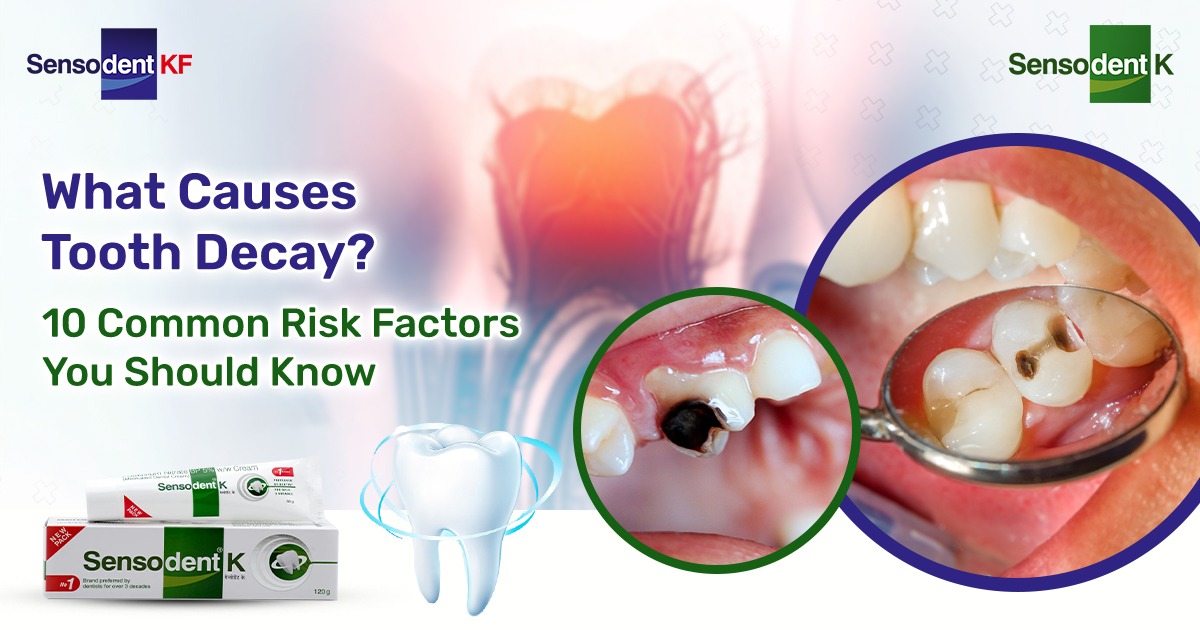
- Visible holes or pits: Small holes, rough spots, or pits on the surface of your teeth may be signs of decay. These areas allow bacteria to settle and worsen the cavity over time.
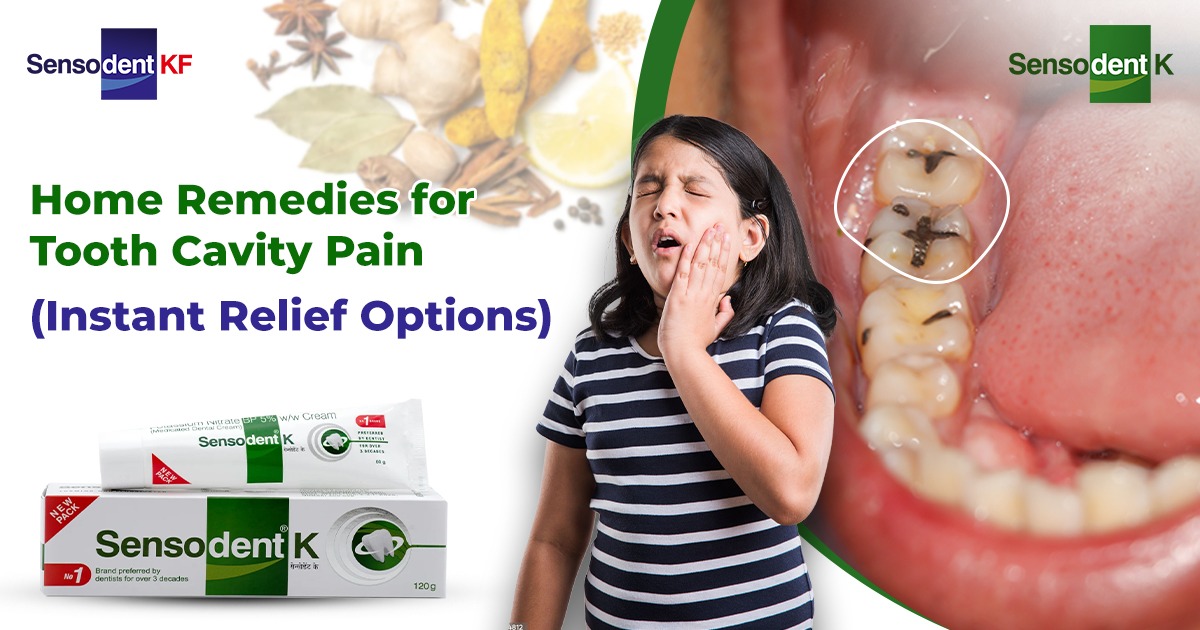
- Toothache: Persistent or occasional pain in a tooth can signal deeper decay. Even mild toothaches should not be ignored, as they often worsen if left untreated.
- Stains on teeth: White, brown, or black spots on teeth may indicate early damage to enamel. These stains can be an early warning sign of cavity development.
- Bad breath: Ongoing bad breath despite regular brushing can be caused by bacteria trapped in decayed areas. Cavities provide a breeding ground for odour-causing bacteria.
- Pain while chewing: Discomfort or pain when biting food may indicate that decay has reached the inner layers of the tooth. This usually signals a more advanced stage of a cavity.
Who Is at Higher Risk of Cavities?
While cavities can affect anyone, certain age groups and lifestyles make some people more vulnerable than others. Understanding who is at higher risk helps in taking extra care and adopting preventive oral habits early.
Children and Teens
Children and teenagers are more prone to cavities due to frequent snacking and a higher intake of sugary foods and drinks. Inconsistent brushing habits and developing oral care routines also increase their risk, making supervision and guidance essential during these years.
Older Adults
As people age, gum recession and reduced saliva production become more common. These factors expose sensitive tooth surfaces and reduce the mouth’s natural ability to fight bacteria, increasing the chances of cavities and decay.
People with Braces
Braces create additional spaces where food particles and plaque can easily get trapped. If cleaning around brackets and wires isn’t done thoroughly, bacteria build-up can quickly lead to cavities and enamel damage.
How Dentists Detect Cavities
Cavities are not always visible or painful in their early stages, which is why regular dental check-ups are important. Dentists are trained to identify signs of decay long before they turn into serious problems.
Using a combination of visual examination, specialised tools, and diagnostic techniques, dentists can spot weak areas, early enamel damage, and hidden cavities that may not be noticeable to the naked eye.
Can Early Cavities Be Reversed?
In the very early stages, tooth decay doesn’t always mean permanent damage. When a cavity is just beginning, the enamel may be weakened but not yet broken, offering a window of opportunity for repair.
With the right oral care habits, timely intervention, and proper dental guidance, early-stage decay can often be slowed down or even reversed—helping restore tooth strength before a cavity fully forms.
How to Prevent Cavities from Daily Habits
Preventing cavities doesn’t require drastic changes—it starts with small, consistent actions practised every day. Simple habits, when done correctly and regularly, can significantly reduce the risk of tooth decay.
By being mindful of what you eat, how you clean your teeth, and how often you maintain oral hygiene, you can strengthen your teeth and stop cavities from forming before they even begin.
Related Blog: Home Remedies for Tooth Cavity Pain (Instant Relief Options)
FAQs About Tooth Cavities
Tooth cavities are a common concern, and it’s natural to have questions about how they form, feel, and progress. These quick answers help clear common doubts and misconceptions around cavities.
Q1. How quickly can a cavity form?
A cavity can begin developing within weeks if plaque and bacteria are not regularly removed. However, visible damage usually takes months, depending on diet and oral hygiene habits.
Q2. Can cavities go away on their own?
Once enamel is broken, a cavity cannot heal on its own. Early enamel damage, however, can sometimes be reversed with proper oral care and fluoride use.
Q3. Are cavities contagious?
Cavities themselves are not contagious, but the bacteria that cause tooth decay can spread through saliva, especially among children.
Q4. Do cavities always hurt?
No. Early cavities often cause no pain at all. Pain usually appears only when the decay reaches deeper layers of the tooth.
Q5. How many cavities are normal?
There is no “normal†number of cavities. With good oral hygiene and regular dental care, cavities can be completely prevented at any age.
When Should You See a Dentist?
Regular dental check-ups help prevent problems, but certain signs should never be ignored. Visiting a dentist at the right time can stop minor issues from turning into painful and costly treatments.
You should see a dentist if you experience persistent tooth pain, sensitivity to hot or cold foods, visible holes or dark spots on teeth, or discomfort while chewing. Even mild symptoms can indicate early decay, and early treatment is always easier and more effective.
Key Takeaways
- Tooth cavities develop gradually due to everyday habits and lifestyle choices.
- Frequent snacking, sugary drinks, and poor oral hygiene increase the risk of decay.
- Early cavities often show subtle signs like sensitivity, stains, or mild discomfort.
- Consistent brushing, proper technique, and daily flossing help prevent cavities.
- Certain groups such as children, older adults, and people with braces need extra care.
- Early detection and timely dental visits can prevent serious tooth damage.
- Good daily habits and the right oral care routine play a key role in long-term dental health.